
Learning Overview
Meridian organizes students into four divisions that each combine two grade levels.
At every age, students have opportunities for age-appropriate support while also embracing leadership, independence, and new challenges. In our small community, our division system also allows for students to consistently be part of new groups of peers.
04
Division 4
Grades 11–12
03
Division 3
Grades 9–10
02
Division 2
Grades 7–8
01
Division 1
Grades 5–6

We Learn By Doing
At Meridian, we believe students learn best when they are engaged in meaningful work that gives them time to ask questions, explore ideas, and make connections across disciplines and perspectives. Our project-based approach emphasizes authentic experiences, guided collaboration, regular feedback, and reflection, with students communicating their thinking through writing, discussion, creative work, and public presentations.
Learning extends far beyond the classroom: students learn through movement, mixed-age experiences, and regular engagement with Boston and the wider world. In a small community where students are known well, they develop independence and leadership while learning to revise their work, listen to others, and contribute meaningfully to their community.
Interdisciplinary Courses
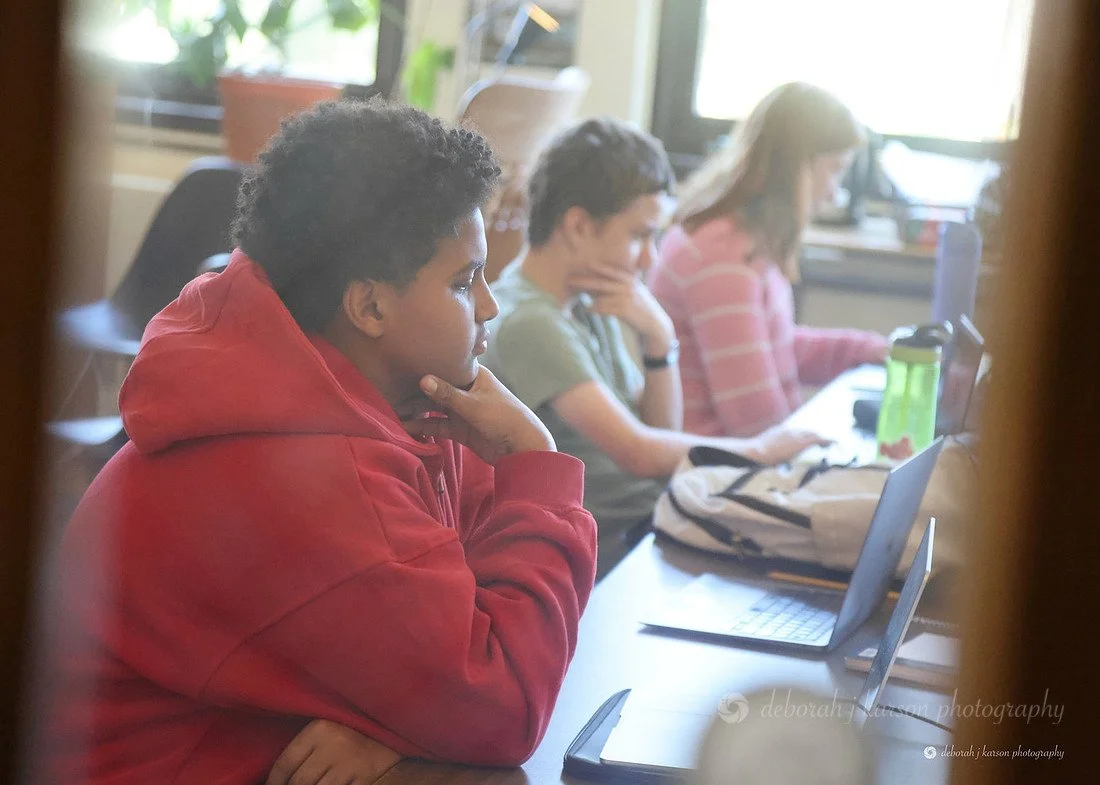
Humanities
Bringing together literature, history, social sciences, and the arts to help students critically examine diverse perspectives and communicate thoughtfully.
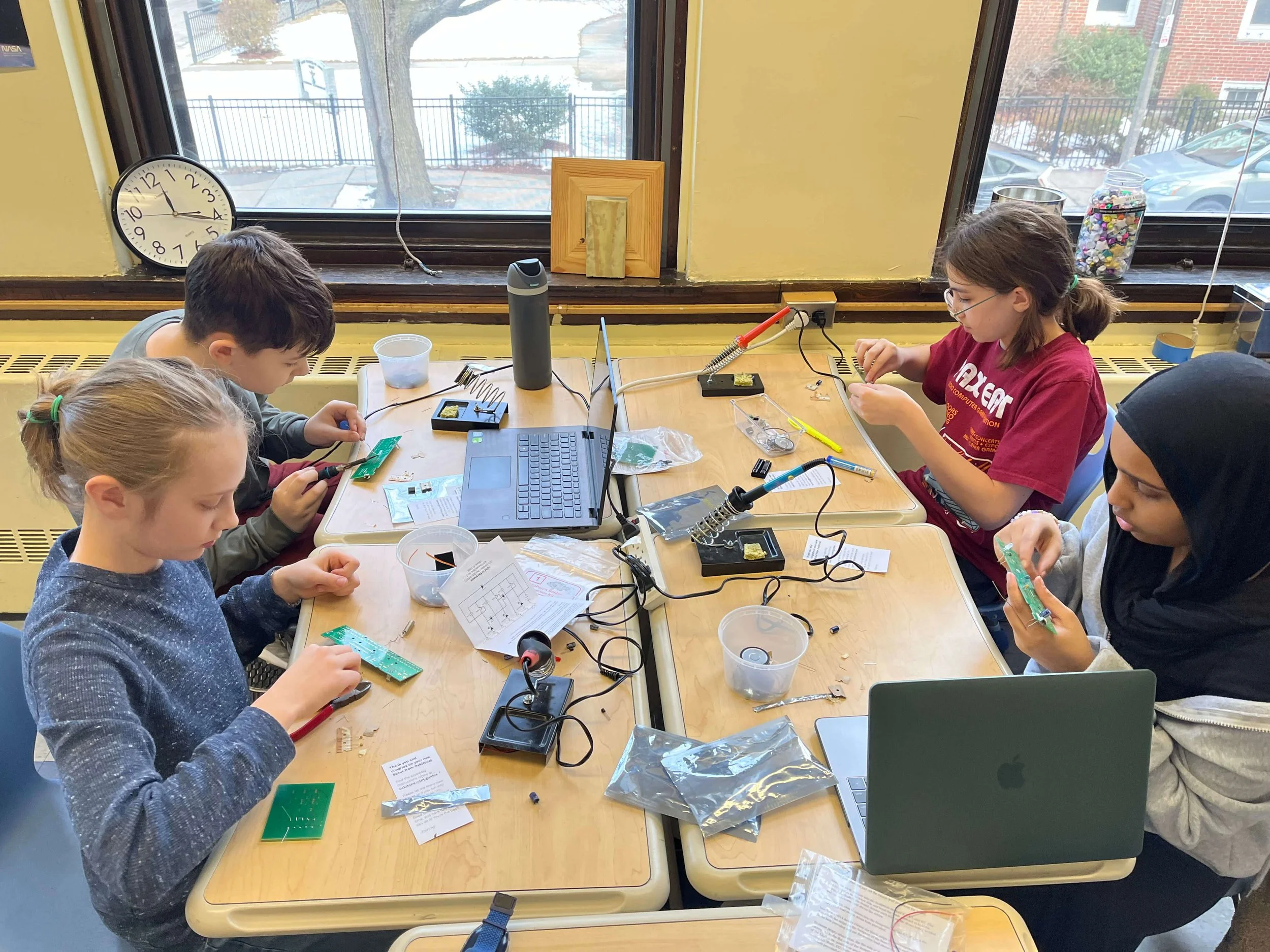
Math, Science & Technology (MST)
Using hands-on investigation, original research, and problem-solving, students explore complex ideas and apply their learning to the real world.
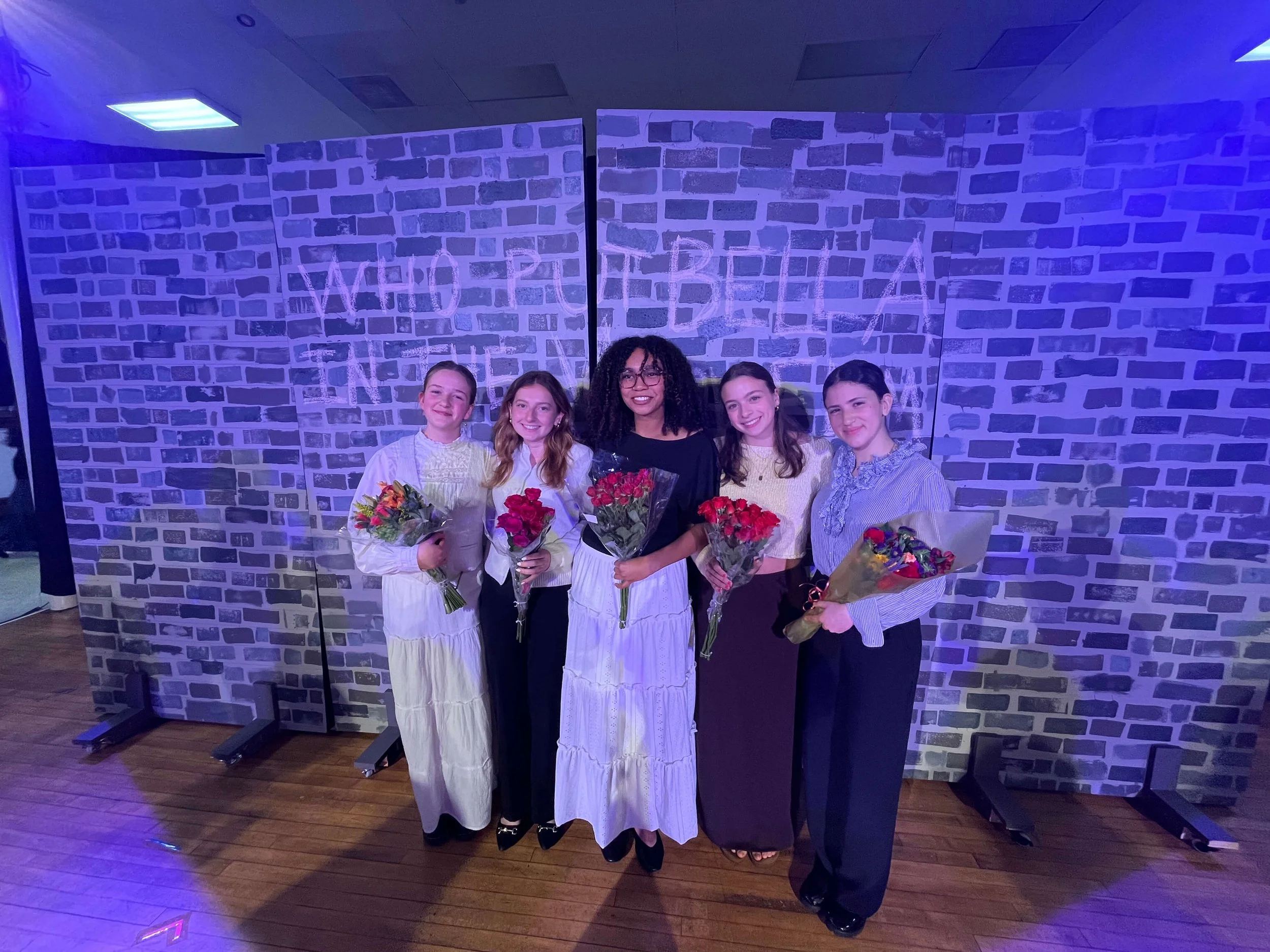
The Arts
Giving students the freedom to explore visual art, music, and theatre, including interdisciplinary options and investigating new themes, styles, and media.
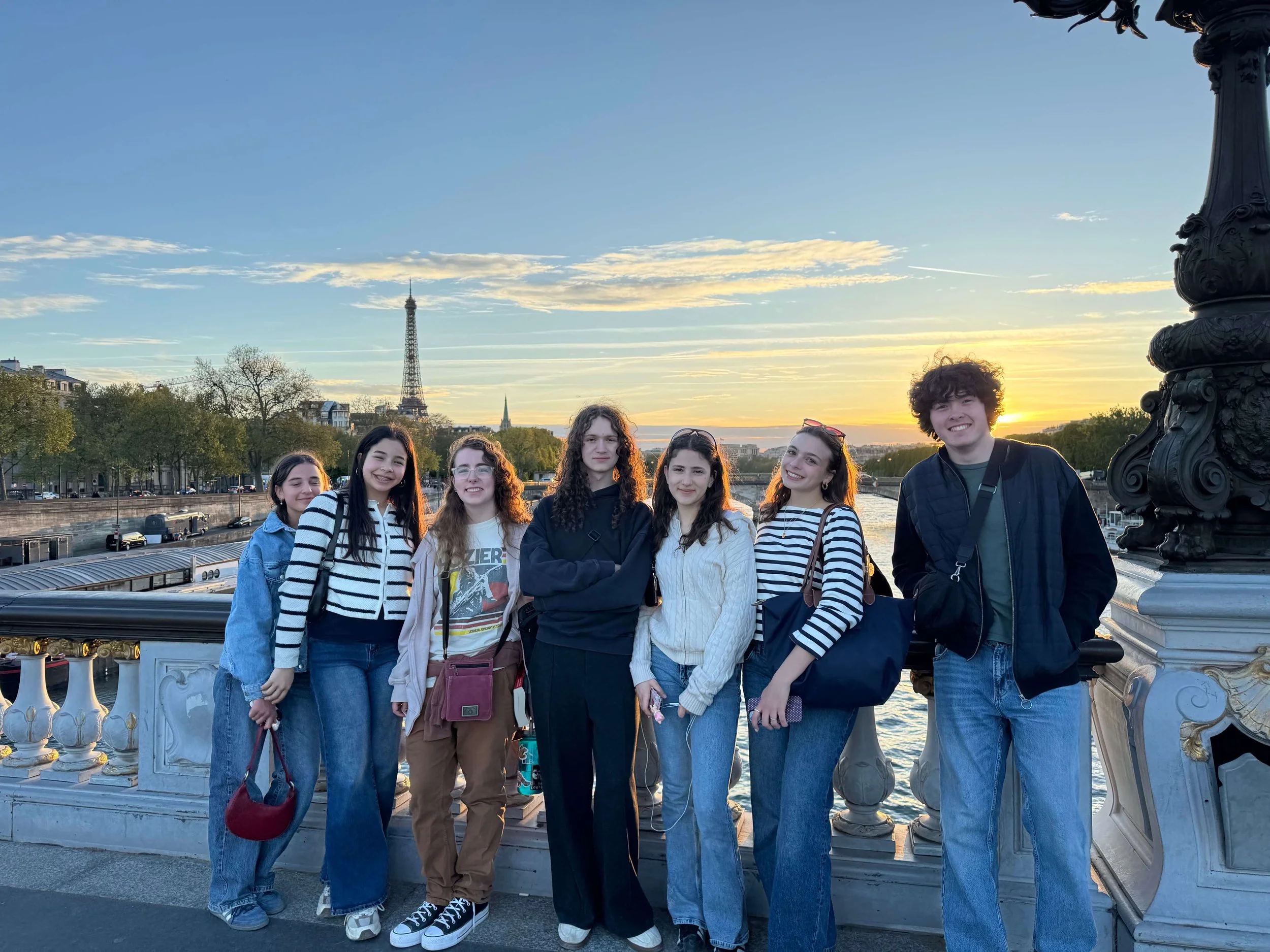
World Languages
Immersing students in Spanish and French through language, history, and the arts, working to deepen students’ understanding of communication and cultures.
Frequently Asked Questions
-
A few reasons! We’re a small school, and it could get boring to be with the exact same group of kids from 5th through 12th grade. We want to keep things feeling fresh; by splitting into divisions, you’re with a different cohort of students every trimester, and half of those people are new every year. It also helps to create small leadership opportunities for the older grade of students to set the tone for the class. Also, any group of students is always going to be diverse in their experiences and comfort with each subject, so mixed-age groups make it easier for students to encounter different levels of challenge and support.
-
Humanities and MST classes are 90 minutes every day. You’ll take a World Language (either Spanish or French) for 45 minutes every day. You’ll also have an arts class which meets for 90 minutes every week, and PE which meets for 90 minutes twice a week.
-
Homework: Yes! We think homework is important, but we don’t believe in busywork. Homework focuses on practicing a new skill or a building block of a project, so it’s something you’ll actually need and use in class the next day.
Tests: Sometimes. Teachers use lots of ways to see what you’ve learned, and tests are one way to see what you know in the moment. We don’t believe in lots of timed tests or bubble sheets, since those aren’t skills you need often in the real world.
Grades: No. We don’t assign letter or number grades. You will receive LOTS of feedback and rubrics, but we don’t average those things together to give you a letter or number at the end. At the end of each trimester, you will receive reports, which have a rubric of different skills and a description of your work and growth throughout the trimester.
-
Lots of ways! All of our projects have opportunities for you to incorporate your personal touches and curiosities. If you want to do a deep-dive, you could choose to do a Distinctions project, where you exceed course expectations by completing an additional, independent project with guidance from your teacher. Teachers also offer trimester or year-long electives, which are optional but enjoyable ways to delve deeper into a subject outside of the core curriculum.
-
Yes! We know that this learning teaches what you really need to know: how to work together, how to think through big problems, and how to get help when you need it. Deborah Wright, Director Emeritus of Admissions at Connecticut College, said, "Meridian is doing the kind of work with kids that college professors are looking for." Our alumni are ready to tackle the new challenges in college and have the skills to help them succeed.