LearningHumanities
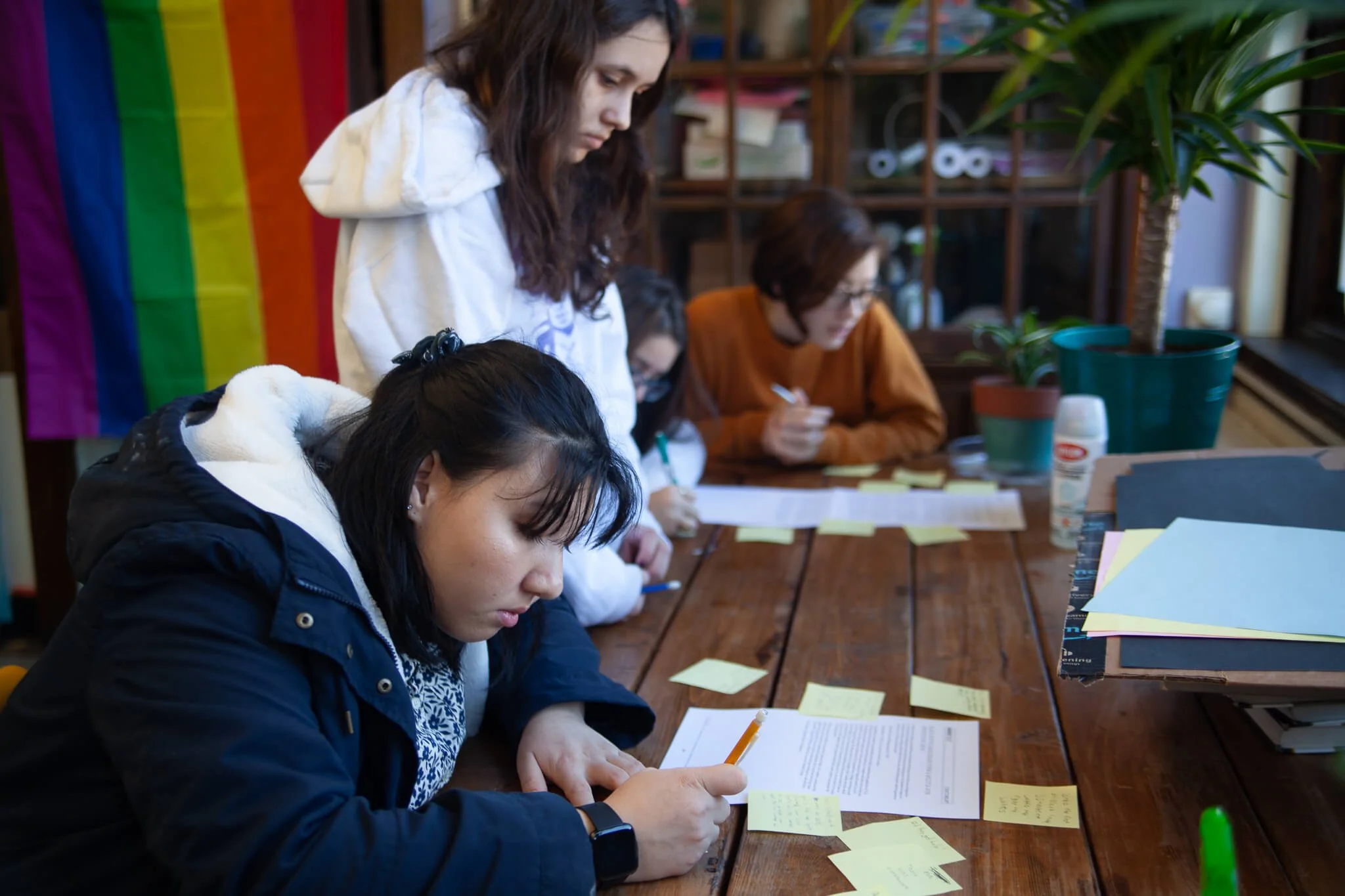
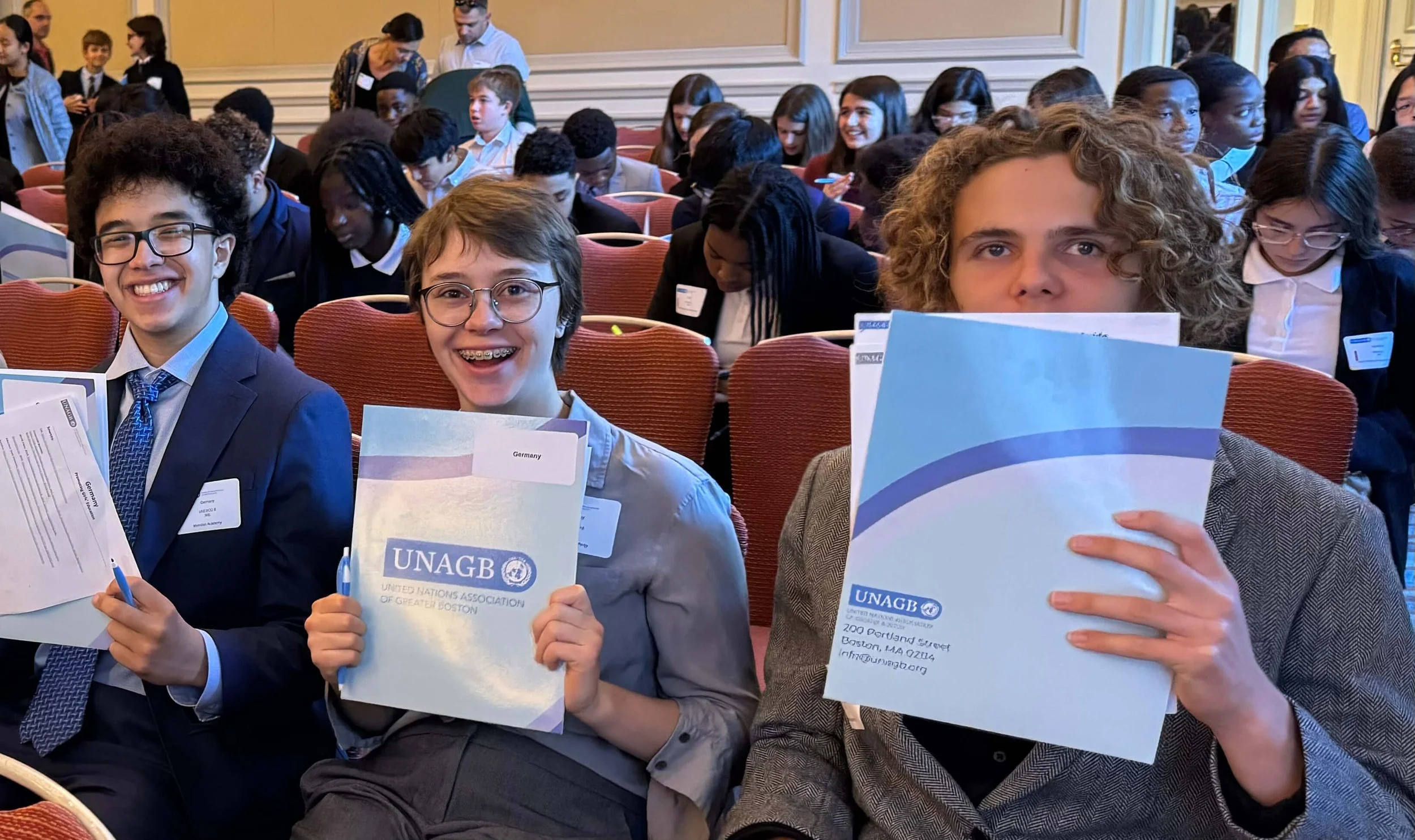
The Humanities curriculum delves deeply into the work of others and challenges students to generate their own. Students read books and write essays, but they also simulate past events, write and perform plays, debate contemporary issues, design and build memorials to historical figures, interview experts outside the Meridian community, and carry out original primary source research.
Skills Developed
01
Communicate clearly and effectively in written, oral, and visual formats.
02
Read and analyze the interplay of historical and literary texts, including fiction, non-fiction, archival documents, plays, visual art, and poetry.
03
Employ critical theories, bringing different perspectives to critique power structures in historical and contemporary society.
04
Experiment with the discipline-specific practices of a range of social sciences, including archeology, sociology, philosophy, geography, economics, and linguistics.
05
Strive for social justice by investigating the impacts of societal and historical contexts on individual and collective identities, studying the work of social movements, and collaborating with local organizations to work towards more just futures.
Division Course Sequence
Every student moves through a foundational course in each discipline, then chooses electives as their interest develops.
Electives
-
Students explore several traditional economics topics as well as personal finance themes. Some essential questions include: Why are some people rich and some people poor? Is the American economy fair? What do Americans owe each other?
-
Advanced English Literature and Composition introduces students to college-level literary analysis. At Meridian, students get to participate in crafting the reading list with the instructor, enabling them to read books that cater to their individual identities and interests.
-
Advanced Psychology is a college-level introductory survey of the field of psychology. At Meridian, we emphasize project-based practice of these concepts and designing experiments.
-
Moving through cycles of reading, writing, and revising, students develop a portfolio of original creative writing. Students form a supportive writing workshop community, learning from a wide range of mentor texts as well as through peer critique.
-
We explore what AI is and how it works, as well as critical perspectives on the sociological, educational, and research implications of AI, among other topics. This course draws from both the Humanities and MST disciplines.
Curated Student Work