
LearningJunior Research Project Seminar (JRPS)
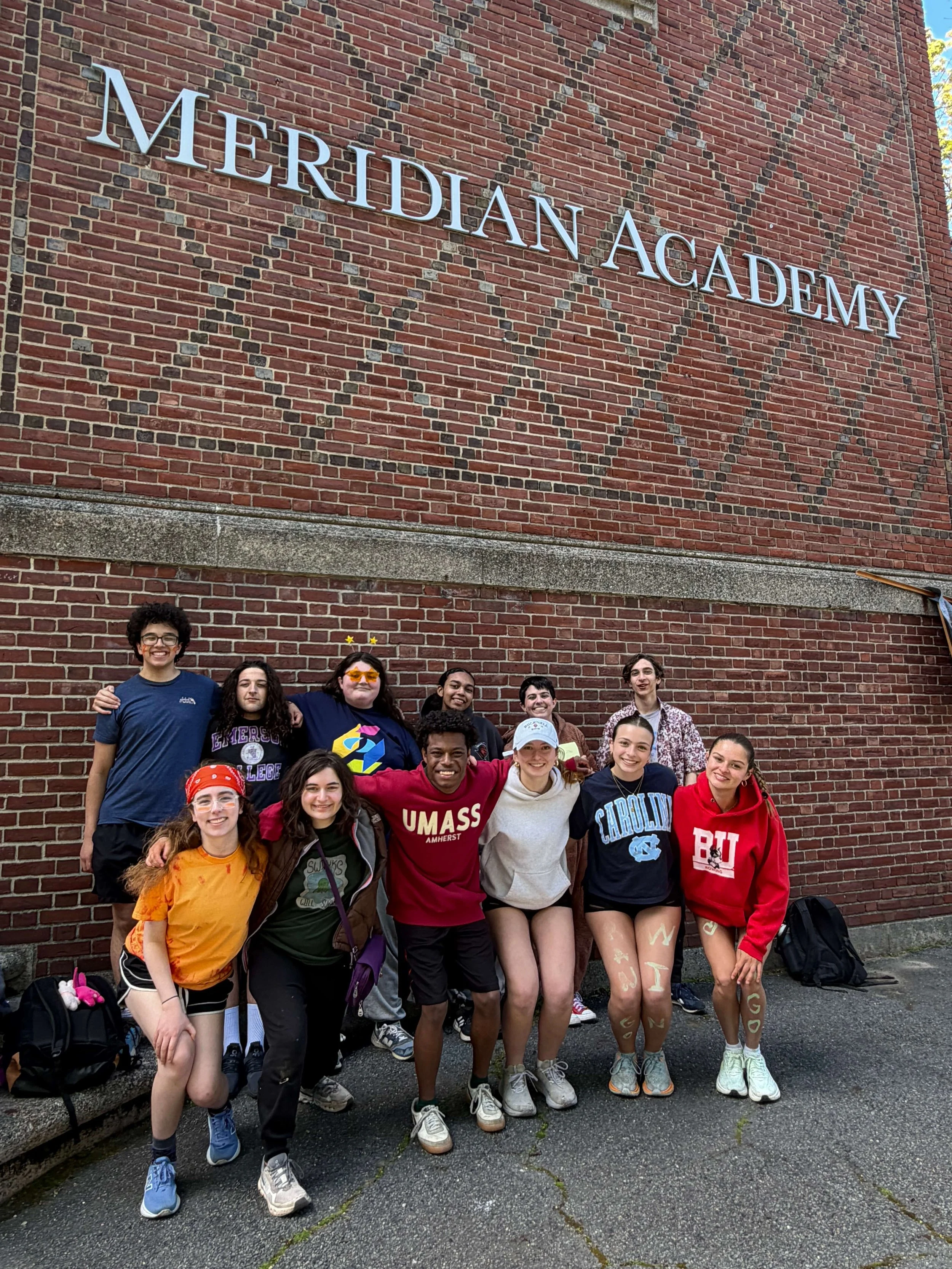
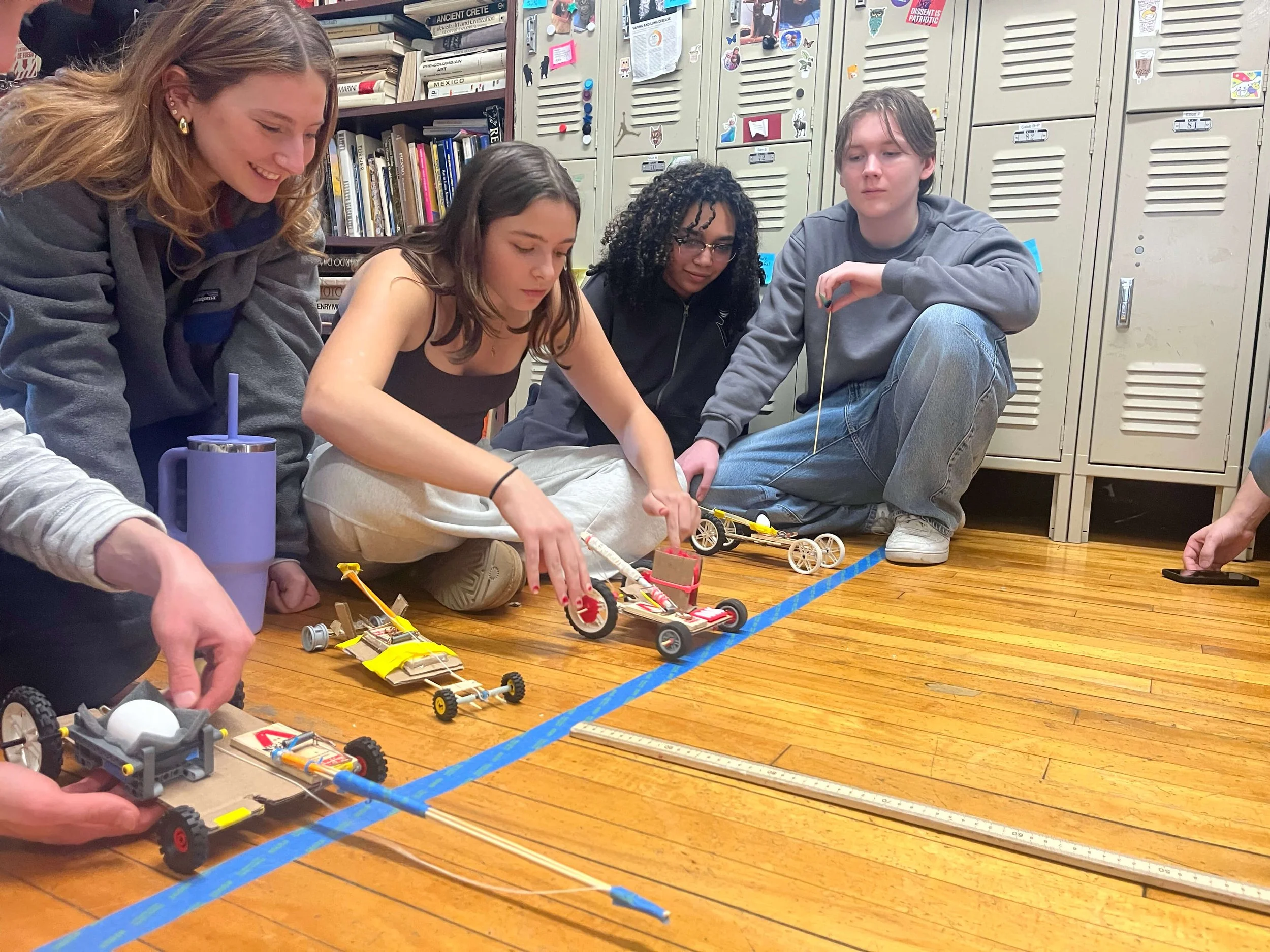
The Junior Research Project Seminar (JRPS) is a defining experience of a Meridian education, bringing together the skills and knowledge students have developed throughout their time here. Students explore a topic of their choosing by reading research papers and books, writing a literature review, and developing an original project that reflects upon and demonstrates their learnings. At the end of the year, students present their work to the full Meridian community, celebrating their growth as independent thinkers, researchers, and creators.
Faculty Support at Every Step
Other schools have Capstones or a larger research project, but JRPS goes beyond those efforts.
By completing the JRPS process, students have effectively done the work of Master’s and Doctoral candidates before they have graduated high school!
Throughout the year, JRPS students:
01
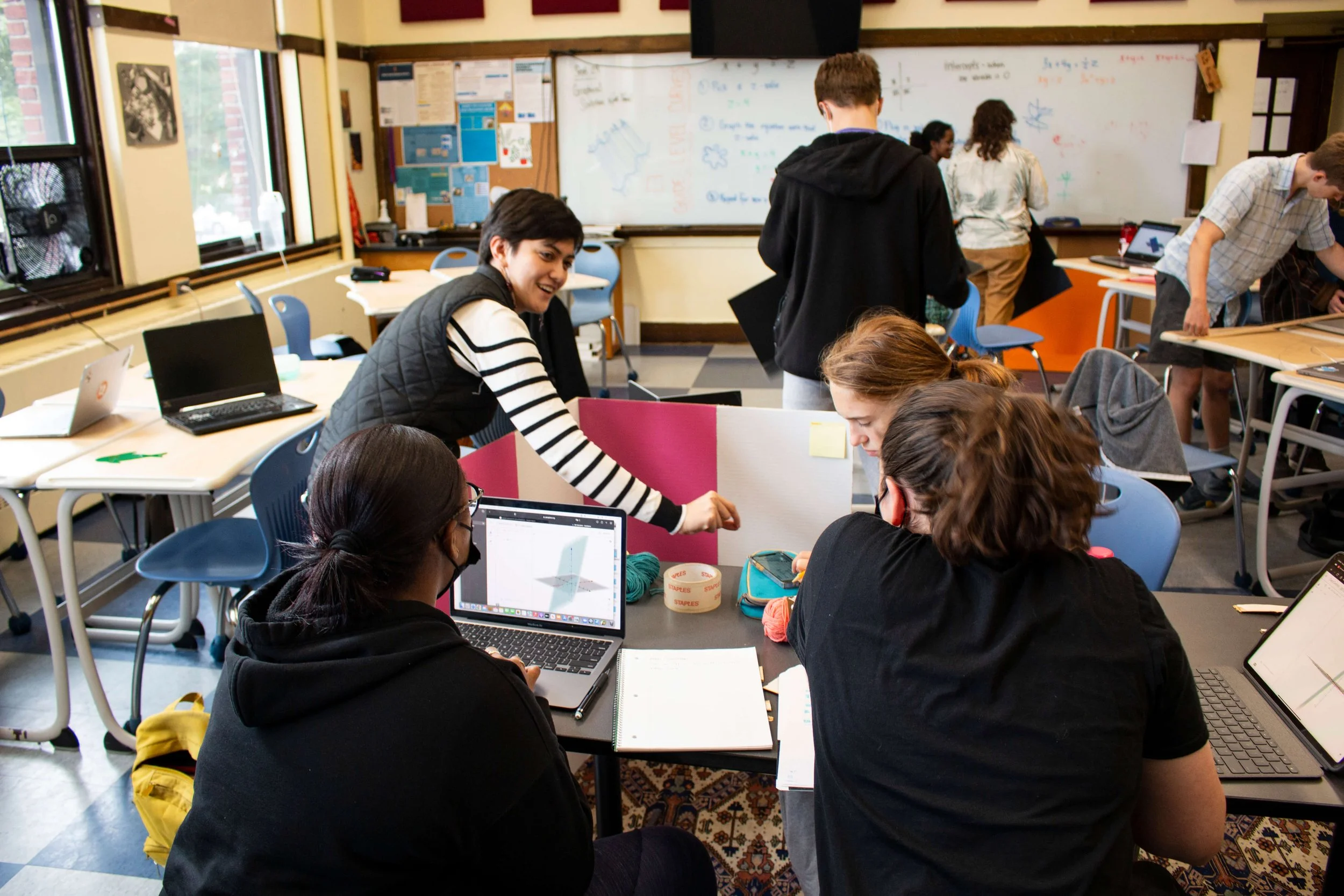
Meet four times per week in a research seminar with peers and a faculty leader
02
Examine, analyze, and revise their work in weekly one-on-one meetings with their personal faculty advisor
03
Receive feedback from groups of faculty members about their central questions and project proposals
Past Projects
-
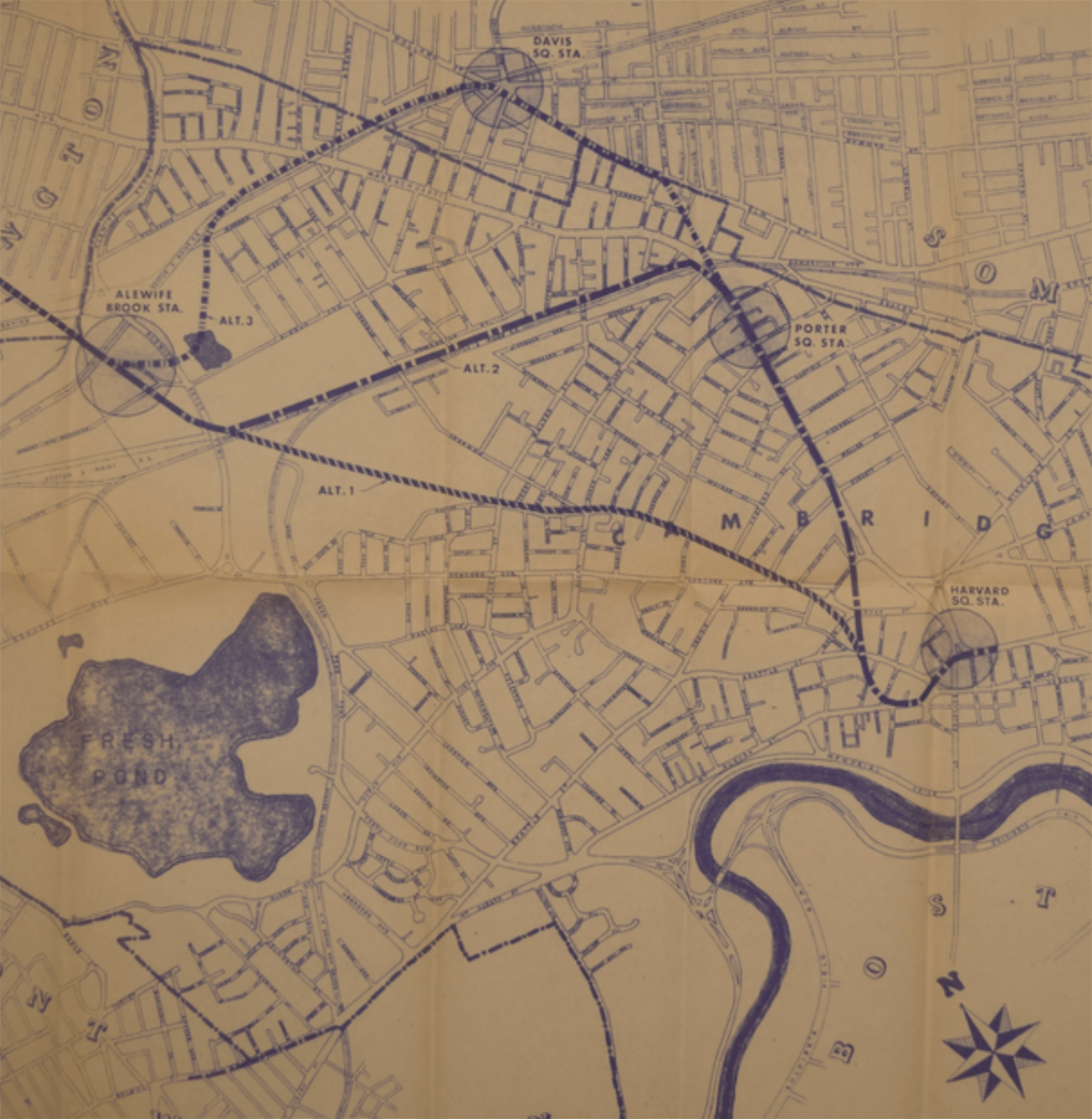
![Map of a city showing subway routes, stations, parks, and a river with a compass rose.]()
Eleanor
“How has public transit, particularly subways and streetcars, in Greater Boston shaped and been shaped by the area's neighborhoods’ housing density and affordability?”
For her project, Eleanor created a self-guided walking tour of the Red Line's Northwest Extension from Alewife to Porter Square.
-
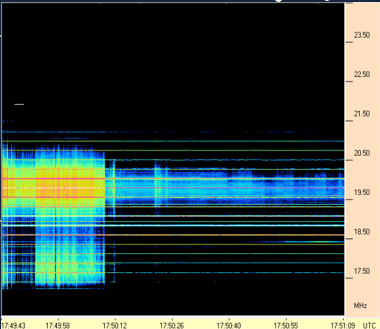
![Spectrogram with vertical frequency lines at various MHz levels, showing color-coded intensity patterns over time.]()
Jojo
“How do scientists separate the CMB from stronger signals and distortions to study the early universe, and what are the current limits of those methods?”
For his project, Jojo constructed a NASA Jove radio telescope to conduct observations of the sun, as well as created a guide for future setup and use in Meridian electives.
-
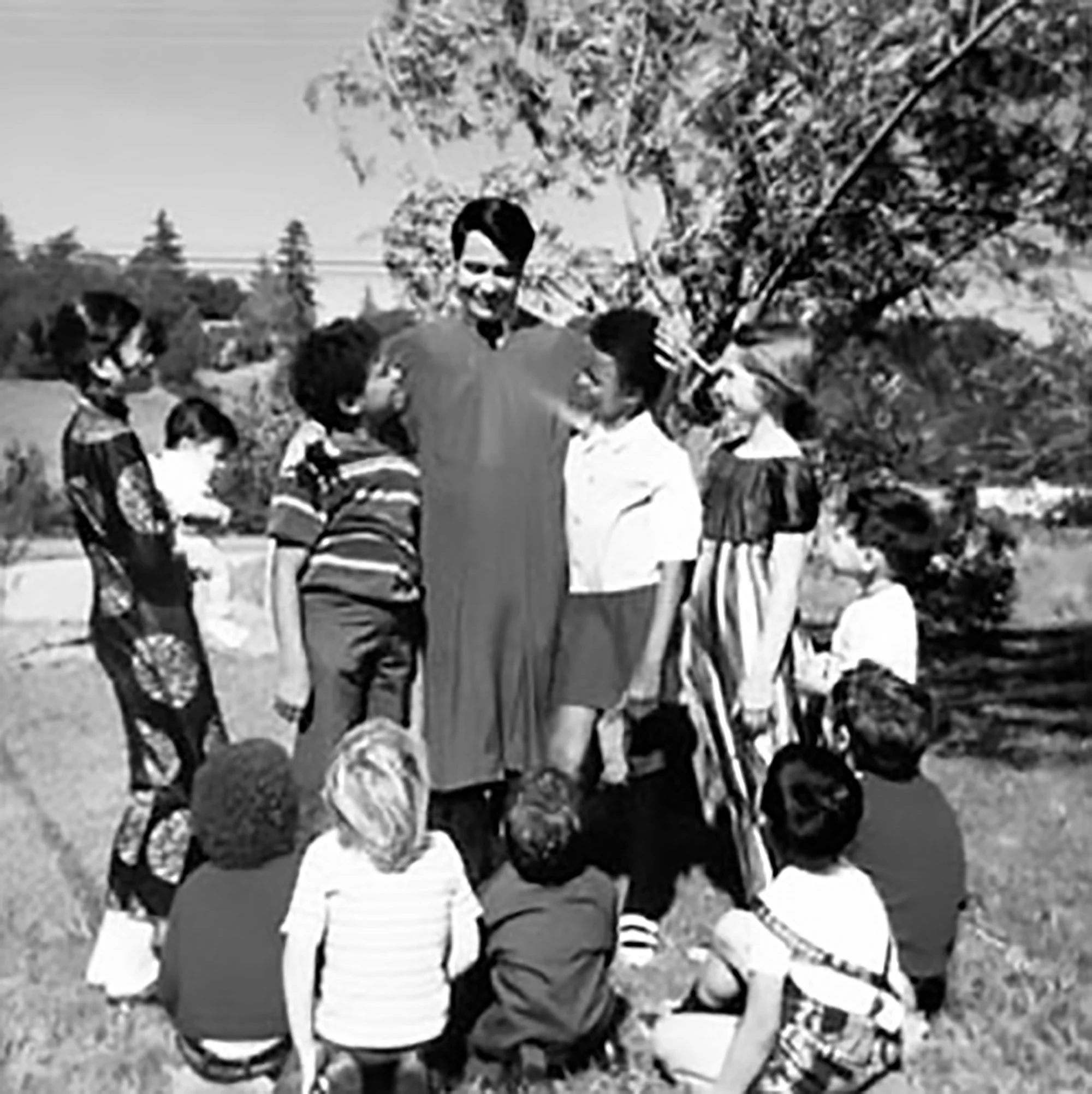
![A black and white photo of four children gathered outdoors on a sunny day, standing near a tree, with houses or buildings in the background.]()
Aya
“What factors lead people to follow a leader who demands unquestioning loyalty, even at the cost of their individual and family well-being and freedom?”
For her final project, she taught a mini class about cults to a group of Meridian students, then created a website with her course and information about how to teach the topic of cults.
-
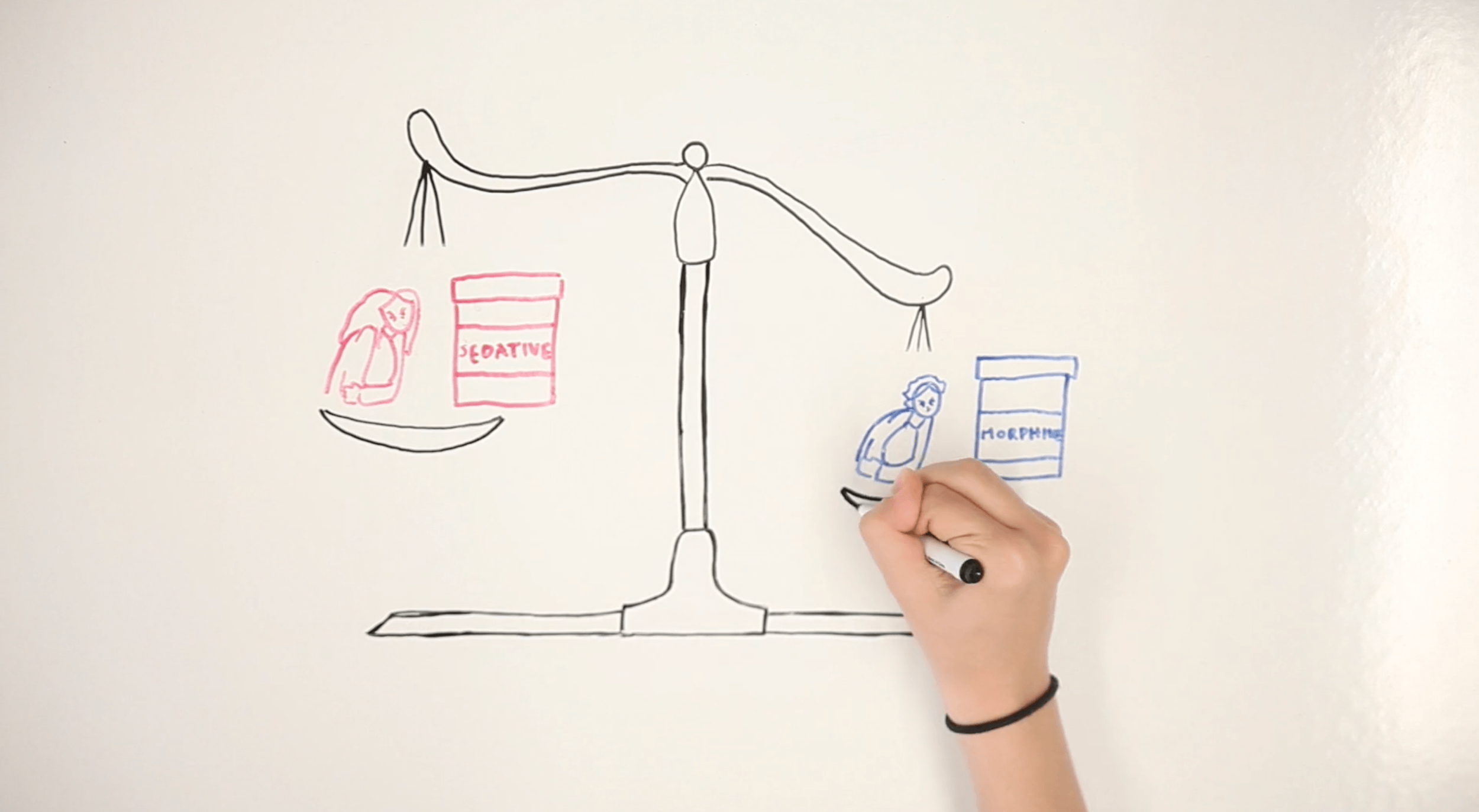
![Drawing of a balance scale on a whiteboard, with a woman on the left labeled 'Eating' and a man on the right labeled 'Moving,' representing balance between eating and physical activity.]()
Katie
"How do men and women experience pain differently on a biological level, and how does this difference affect the health care that women receive?"
For her final project, she created a series of public service announcements to educate providers and patients about best practices.

Building the Skills for College and Beyond
The Junior Research Project is a cornerstone of the Meridian experience. It builds the skills that students will need and use in college: curiosity, independence, communication, and seeking help. It also serves as an integral part of students’ college applications.